Capturing the Wild: The Ultimate Guide to a Photographic Safari in Kenya 2026
Your lens might capture the light, but it’s your guide who finds the soul of the African wilderness. Many photographers travel to Africa’s iconic landscapes with dreams of the perfect shot, only to find their view blocked by a cluster of vehicles or their timing slightly off for capturing dramatic wildlife spectacles. It’s a common frustration to realize that a standard tour doesn’t prioritize the needs of someone waiting for that precise, amber moment when a leopard stirs. You deserve more than a glimpse; you deserve the space and expertise to create art.
This guide from Jungledwellers.com is your blueprint for a masterclass photographic safari Kenya in 2026. We’ll show you how to navigate essential travel preparations and understand typical park entry considerations, ensuring you’re positioned exactly where the action happens. You’ll gain insider knowledge on tracking animal behavior and choosing the best gear for the diverse African environments. We’ll walk through premier circuits for portfolio-quality imagery, from vast open plains to exclusive natural habitats where the wild remains truly untamed.
Key Takeaways
- Master the light. Learn how to harness the unique quality of equatorial light to transform your wildlife shots into professional-grade art.
- Select the right gear. Understand the technical settings and specific lens choices required to capture intimate, high-resolution moments with precision and stealth.
- Anticipate the action. Gain the skills to read subtle animal behaviors so you’re always ready for the perfect leap, hunt, or crossing.
- Optimize your vantage point. Identify the essential vehicle features for a photographic safari Kenya, including 360-degree visibility and specialized low-angle ports.
- Personalize your journey. Explore how to craft a tailor-made itinerary that aligns perfectly with your specific creative vision and long-term portfolio goals.
Why Kenya is the Premier Canvas for Wildlife Photography in 2026
Kenya is the world’s most vivid studio. It’s where the raw pulse of nature meets a light so pure it feels curated. For anyone planning a photographic safari Kenya, the appeal goes far beyond a simple vacation. It’s about the sheer concentration of subjects. In 2026, thanks to sustained community-led conservation efforts, protected areas are seeing a resurgence in predator-prey density. This means more “Big Five” opportunities per square mile than almost anywhere else on the planet. You won’t just be looking for animals; you’ll be choosing between multiple world-class frames every hour.
The diverse wildlife of Kenya is matched only by the variety of its terrain. Your portfolio will benefit from a visual rhythm that shifts constantly. You have the iron-red soil of Tsavo, where “red elephants” provide a striking contrast against the parched scrub. In contrast, the rolling, emerald infinity of the Maasai Mara offers a lush, soft-focus background for big cat action. This geographic diversity ensures your collection of images feels like a complete narrative rather than a repetitive series of portraits.
The Golden Hour: Mastering Kenyan Light
Light behaves differently on the equator. The sun’s path is more direct, yet the atmosphere holds a fine suspension of dust that softens the glare into a liquid, honeyed gold. This “Golden Hour” is your primary tool, providing a warmth that defines the African aesthetic. Don’t pack your gear away when the sun dips below the horizon. The “Blue Hour” just before sunrise offers an indigo stillness that’s perfect for high-ISO silhouettes and ethereal moods. Using the natural haze of the savannah creates atmospheric, painterly layers that give your photos a profound sense of depth.
Landscape as a Protagonist
A great wildlife photo is often about the space the animal occupies. We encourage you to move beyond the tight portrait and incorporate the vast Kenyan horizons to tell a story of scale. The iconic flat-topped acacia tree is a powerful compositional anchor, providing a sense of place that is instantly recognizable. In 2026, we’re seeing more dramatic weather patterns across the plains. Use the towering, bruised storm clouds of the late afternoon as a backdrop. These natural elements turn a simple animal sighting into a dramatic, cinematic moment that captures the true spirit of the wild.
Technical Preparation: Gear and Settings for the Savannah
Preparation is the bridge between a snapshot and a masterpiece. When embarking on a photographic safari Kenya, your technical choices define the quality of your portfolio. The 2026 mirrorless revolution has fundamentally changed how we approach wildlife. Silent shutters are no longer a luxury; they’re a requirement. Skittish predators, like the elusive leopards of the Mara, can detect the mechanical clack of an older DSLR from yards away, often changing their behavior before you’ve even focused. Mirrorless systems allow you to fire at high frame rates in total silence, capturing the raw, undisturbed essence of the hunt.
Lens choice is equally critical. For the vast plains, a zoom lens in the 100-400mm or 200-600mm range is the absolute sweet spot. These focal lengths provide the versatility to capture wide environmental portraits or tight, intimate details of a lion’s mane without needing a lens change. If you’re exploring top wildlife photography locations in Kenya, you’ll encounter everything from distant birds of prey to elephants brushing against your vehicle. A fast, versatile zoom ensures you never miss a moment while minimizing the risk of exposing your sensor to the fine, red volcanic dust often found on the Kenya Southern Circuit.
The 2026 Photographic Packing List
- Dual Camera Bodies: Carry two bodies to avoid swapping lenses in dusty conditions. Keep a long telephoto on one and a wide-to-mid zoom on the other.
- Circular Polarisers: These are essential for cutting through the midday glare and enriching the deep blues of the Kenyan sky.
- High-Speed Data: 2026 sensors produce massive files. Bring high-speed CFexpress cards and a rugged portable SSD for nightly backups.
Stability in a moving vehicle requires a different approach than studio work. While gimbals offer precision, a simple, heavy-duty beanbag is often more effective for the varied heights of safari vehicle ports. It provides a stable base on windowsills or roof hatches, absorbing engine vibrations and allowing for quick, fluid adjustments. If you’re looking for a journey designed around these specific technical needs, our tailor-made safaris provide the space and specialized equipment support you require.
Camera Settings for High-Action Wildlife
Modern autofocus systems have revolutionized wildlife work. Set your camera to animal eye-tracking mode; it’s now reliable enough to lock onto a cheetah’s gaze even through tall grass. For birds in flight, maintain a shutter speed of at least 1/2500s. When tracking a hunting cat, 1/1600s usually provides enough sharpness while allowing for a slightly lower ISO. As the sun dips, don’t fear high ISO settings. Modern noise reduction software is incredible, but a missed shot due to motion blur is permanent.
Tracking the Shot: Behavioural Photography and the Great Migration
Patience is the photographer’s greatest asset on the savannah. A truly successful photographic safari Kenya is built on the quiet gaps between the search and the shutter release. While your gear provides the capability, your ability to read the landscape determines the emotional weight of your images. It’s about moving beyond the “sighting” and into the realm of storytelling. You aren’t just looking for a lion; you’re looking for the specific moment a lioness tenses her shoulders before a hunt.
The Great Migration represents the ultimate test of this patience. Between July and October, the Mara River becomes a theater of raw survival. Most visitors crowd the water’s edge, but a seasoned photographer knows to wait. We prioritize positioning the vehicle at the exit points where the light hits the Wildebeest as they climb the banks, dripping with water and surrounded by golden dust. This creates a far more dramatic narrative than a simple wide shot of the herd. It requires a guide who understands the flow of the crossing and can predict where the animals will emerge before the first hoof hits the water.
The Art of Anticipation
Action happens in a heartbeat. To capture it, you must learn the subtle language of the wild. A flicking cheetah tail or a sudden silence among grazing gazelles are your cues to check your settings. We often find that the most compelling images happen in the “moment after.” The heavy breath of a predator after a chase or the way a cub mimics its mother’s stance often carries more weight than the hunt itself. Your guide acts as your second set of eyes, helping you predict movement so you’re already focused when the leap occurs.
Exploring the Kenya Southern Circuit
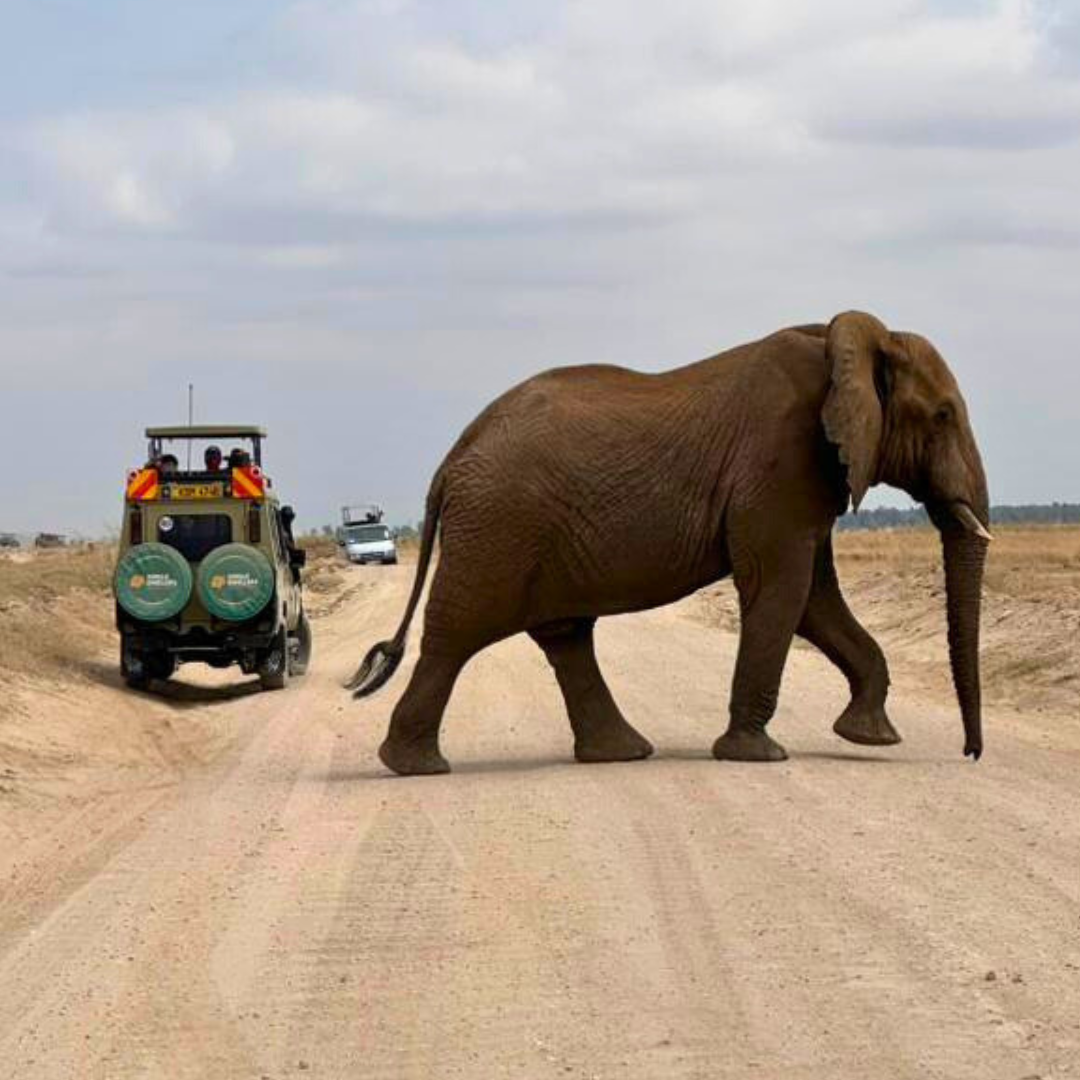
While the Mara offers drama, the Kenya Southern Circuit provides a different kind of majesty. In Amboseli, the goal is often the iconic “tusker” shot. By using low-angle ports in our vehicles, you can frame these massive elephants against the snow-capped peak of Mount Kilimanjaro, creating a sense of scale that is truly humbling. Further east, the red volcanic soil of Tsavo offers a unique color palette. The elephants here often dust themselves in this earth, turning a vibrant, brick-red color that pops beautifully against the blue Kenyan sky. This circuit is a hidden gem for those looking to diversify their portfolio away from the standard green-and-gold savannah shots.
For those with a passion for smaller subjects, the Rift Valley lakes are indispensable. Kenya is home to over 1,000 bird species, and the alkaline lakes offer a riot of color. Capturing a kingfisher mid-dive or the ethereal pink wash of a flamingo colony requires high shutter speeds and a deep understanding of avian flight patterns. Whether it’s the scale of an elephant or the iridescent wing of a sunbird, the Southern Circuit ensures your portfolio reflects the full breadth of Kenya’s natural heritage.
The Logistics of Light: Choosing Your Photographic Vehicle and Route
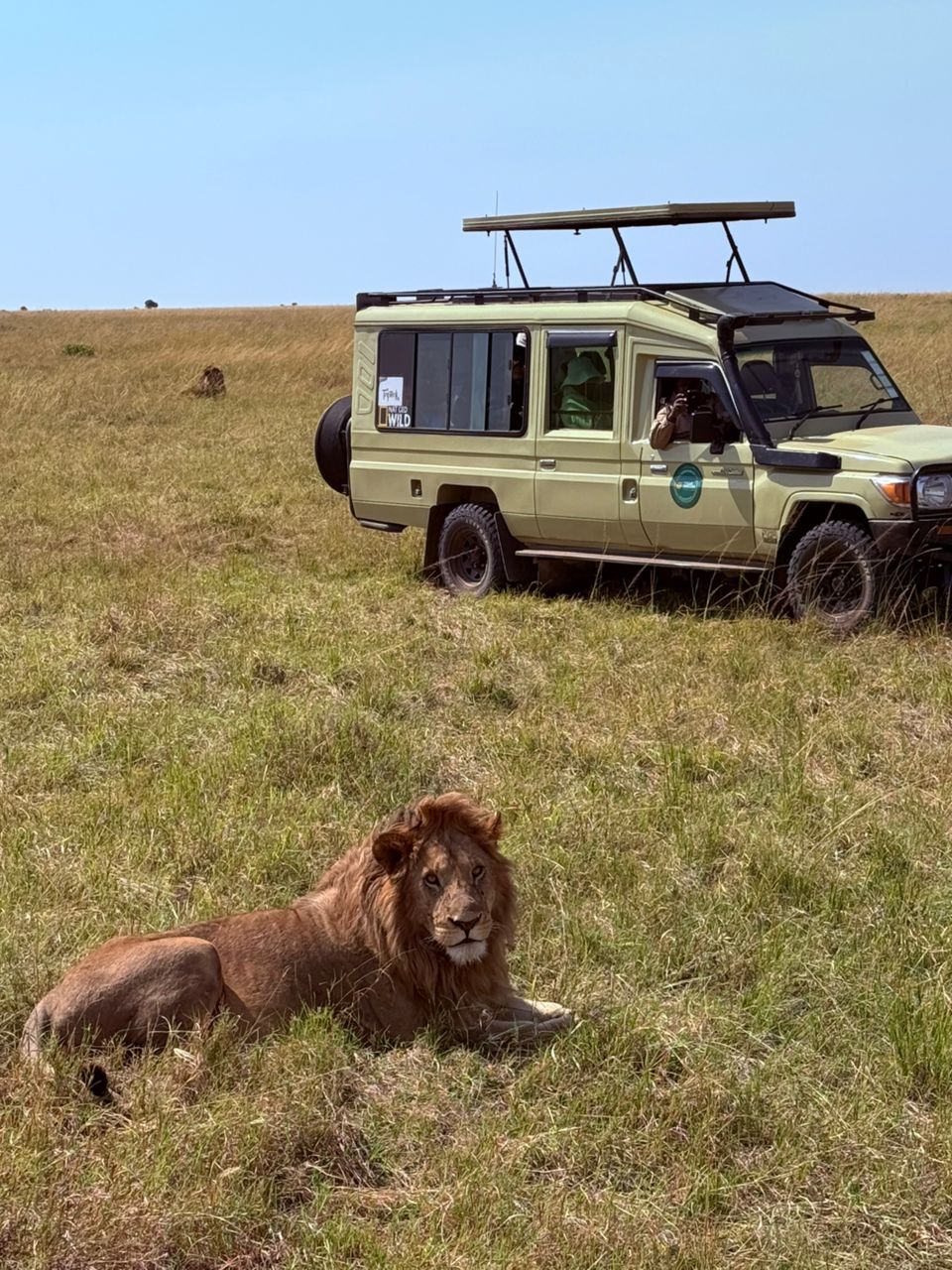
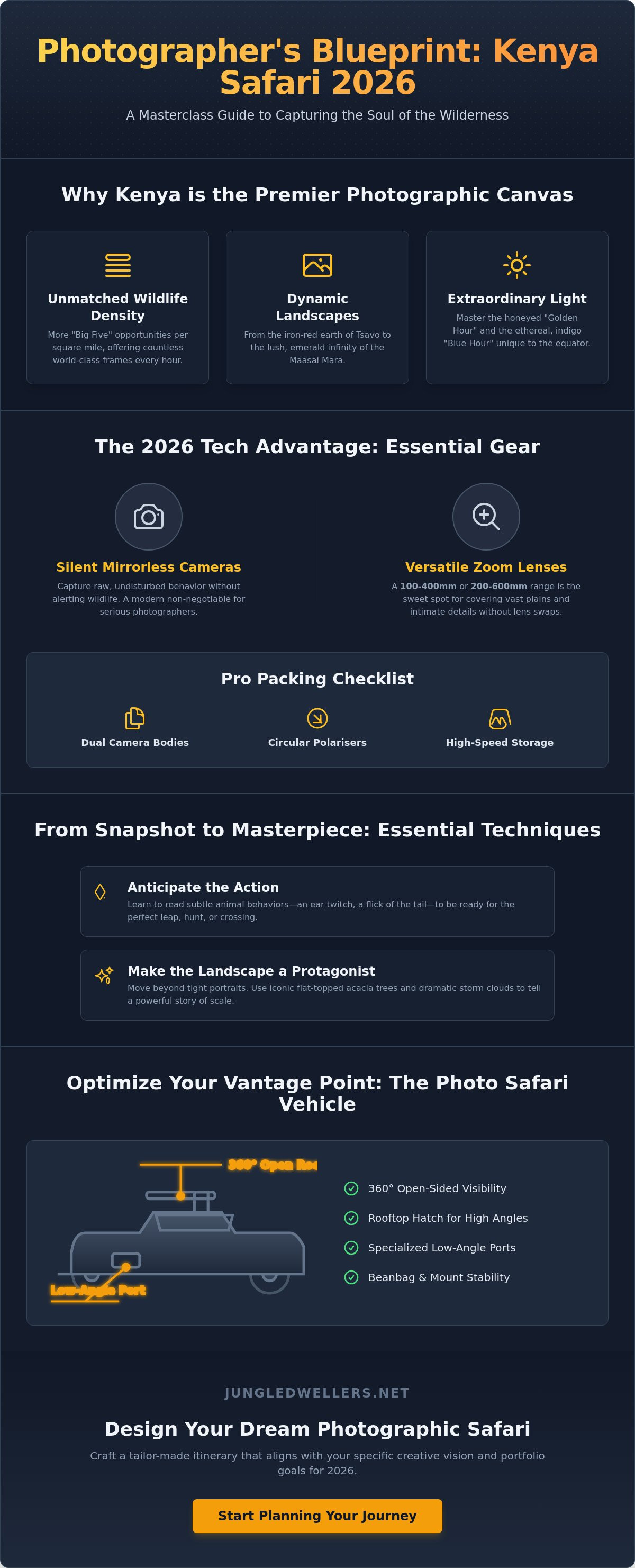
Your vehicle is more than just transport; it’s your mobile studio and your most important piece of support gear. On a photographic safari Kenya, the difference between a standard tour van and a purpose-built 4×4 determines whether you capture the glint in a lion’s eye or a blurry patch of fur. Open-sided vehicles are non-negotiable for serious work. They provide 360-degree visibility, allowing you to track a moving subject without the obstruction of window frames or heavy pillars. This freedom is essential when a hunt unfolds rapidly across the plains and every second counts.
True artistry often requires a change in perspective. We prioritize vehicles equipped with floor-level ports to facilitate low-angle photography. Getting your lens down to the eye level of a predator creates an intimate, powerful connection that high-angle shots simply cannot replicate. It makes the animal feel larger than life, turning a standard sighting into a cinematic portrait. This technical advantage is a core part of how we approach every journey into the wild.
Evaluating the Safari Vehicle
- Stability and Support: Look for built-in beanbag supports and stable mounting points on the vehicle frame to handle heavy telephoto lenses.
- Power on the Go: Verify the presence of in-vehicle charging points to keep camera batteries and drones ready for action throughout the day.
- Spatial Awareness: We limit groups to a maximum of 3 or 4 photographers. This ensures everyone has a dedicated row and the freedom for side-to-side movement as the action shifts.
- Vantage Points: A pop-up roof provides an elevated perspective, which is crucial for getting clear shots over tall savannah grass during the wetter months.
Weight is the hidden challenge of the African sky. Many internal bush planes have strict luggage limits, often restricted to 15kg in soft-sided bags. Navigating these restrictions while carrying professional glass requires careful planning and specialized gear cases. Your guide acts as your best “lens” in these moments, offering the local insight needed to balance your gear requirements with the realities of remote travel. If you’re ready to secure your spot in a vehicle designed for creators, you can start planning your custom route with our local experts today.
Timing Your Expedition
The “Green Season” brings dramatic, bruised skies and vibrant emerald backgrounds, while the “Dry Season” congregates wildlife around scarce water sources for high-density action. For the 2026 migration peaks, planning starts early to secure the best riverfront positions. Our Kenya Classic Safari balances these seasonal nuances with the best geographic locations to ensure your timing aligns perfectly with the rhythm of the wild.
Designing Your Custom Photographic Safari with Jungle Dwellers
Expertise is born from the soil. At Jungledwellers.com, we don’t just guide tours; we share a landscape we’ve known for generations. A truly successful photographic safari Kenya requires more than a driver who knows the roads. It demands a mentor who understands how the sun hits a specific ridge at dawn and which thickets a leopard prefers during the midday heat. As a locally owned team, we bridge the gap between your technical ambition and the raw, unscripted reality of the savannah.
Stewardship is our silent partner. In 2026, Kenya’s commitment to conservation is more visible than ever, from the streamlined eTA system to the updated park fee structures that directly fund wildlife protection. We believe that the best images are captured with respect. This means maintaining ethical distances and ensuring our presence never alters the natural behavior of our subjects. It’s about leaving the wild exactly as we found it, but with a memory card full of authentic, powerful stories. We’ve seen how a patient, respectful approach always yields the most intimate frames.
Your portfolio should be as unique as your eye. Perhaps you want to focus exclusively on the big cats of the Mara, or maybe you’re drawn to the rugged, remote beauty of a Kenya Wilderness Safari. We often suggest integrating these high-energy adventures with a few days on the coast. The transition from the iron-red dust of the plains to the turquoise horizons of the Indian Ocean provides a stunning contrast in light and texture. It allows for a diverse, well-rounded collection of imagery that captures the full soul of the country.
Crafting Your Personal Itinerary
We build your journey from the ground up. This starts with selecting camps based on their proximity to the best light, ensuring you’re never far from the action when the “Golden Hour” begins. Private vehicle options are available to give you total creative control over the pace of your day. You’ll consult with our local mentors to uncover “secret” spots that are often overlooked by standard tours. These are the quiet corners where the wild feels most intimate and the sightings are yours alone.
Your Journey Starts Here
Precision meets passion in our planning process. The ease of booking one of our Tailor-made Safaris means you can focus on your craft while we handle the complex logistics of the 2026 travel landscape. Your first briefing with a Jungledwellers.com expert will cover everything from seasonal movement to specific gear recommendations for your chosen route. We’re here to ensure you feel supported, inspired, and ready for the shot of a lifetime. Secure your 2026 dates today and let’s begin shaping a journey that belongs only to you.
Your Savannah Masterpiece Awaits
The wild doesn’t wait for you to find the right settings. It moves with a rhythm all its own. Success on a photographic safari Kenya hinges on the harmony between your technical preparation and the specialized logistics of the savannah. From the silent shutters of the latest mirrorless tech to the low-angle ports of a custom vehicle, every detail contributes to that one perfect frame. You’ve learned how to read the light and anticipate the action; now you just need the right partner to place you in the path of beauty.
Jungle Dwellers is a locally owned and operated inbound DMC and a specialist in tailor-made Kenyan expeditions. Our expert guides are specifically trained in photographic positioning, ensuring you always have the best angle and the clearest sightlines for your shots. We don’t just lead tours; we act as your personal mentors in the field, helping you navigate the complexities of the 2026 landscape with ease. Begin planning your custom photographic safari with Jungle Dwellers and secure your place in the heart of the action. Your masterpiece is waiting to be captured.
Frequently Asked Questions
What is the best lens for a photographic safari in Kenya?
A versatile zoom lens in the 100-400mm or 200-600mm range is the gold standard for a photographic safari Kenya. These focal lengths allow you to capture wide environmental shots and tight, intimate portraits without swapping glass in the dust. A secondary body with a 24-70mm is also helpful for expansive landscapes. Fixed primes are sharp, but the flexibility of a high-quality zoom is indispensable when action moves quickly across the plains.
Do I need a tripod for a Kenya safari?
You generally won’t need a tripod while inside a safari vehicle. The space is often too confined for three legs, and the engine vibrations can travel through the frame. Instead, a heavy-duty beanbag is your best friend for stabilizing long lenses on windowsills or roof hatches. If you plan on shooting astrophotography or time-lapses from your camp at night, a travel tripod is worth packing, but it stays tucked away during game drives.
When is the best time of year for wildlife photography in Kenya?
The best time depends on your creative goals, but the dry months from July to October offer the dramatic river crossings of the Great Migration. If you prefer lush, emerald backgrounds and clear, dust-free air, the “Green Season” from January to March is spectacular for birdlife and newborn animals. Each season provides a unique light profile, so we tailor your route to match the specific textures you want in your portfolio.
How do I protect my camera gear from dust on safari?
Protecting your gear from the fine volcanic dust requires a proactive approach. Keep your camera in a sealed dry bag or a dedicated dust cover when you aren’t shooting, even inside the vehicle. Avoid changing lenses in the field whenever possible; using two camera bodies is the most effective way to keep your sensors clean. A simple microfibre cloth and a blower brush should be in your pocket for quick cleans between sightings.
Is it better to stay in a lodge or a tented camp for photography?
Tented camps are often superior for photography because they place you directly within the wild’s soundscape and light. These camps are usually located closer to prime viewing areas, allowing you to be the first on the scene at dawn. While lodges offer more solid structures, the thin canvas of a tented camp provides an immersive experience that helps you stay connected to the environment, making it easier to anticipate the morning’s first light.
Can I charge my camera batteries at a bush camp?
You can easily charge your batteries at almost all modern bush camps and inside our specialized safari vehicles. Our 4x4s are equipped with UK-style plug points and USB ports to keep your gear powered while you’re on the move. Most camps use solar power with generator backups, providing ample energy in the evenings. It’s always wise to bring at least two spare batteries so you never miss a moment during a long day on the savannah.
Are drones allowed for aerial photography on safari in Kenya?
Drones are permitted in Kenya, but they require a strict authorization process and significant fees. As of 2026, you must obtain a Kenya Civil Aviation Authority (KCAA) license and a permit for each park, which costs $300 USD per day. Many conservancies have their own additional rules. We recommend starting this application months in advance, as flying without the proper paperwork can lead to heavy fines and equipment confiscation.
How many memory cards should I bring for a 10-day safari?
Plan on bringing at least 500GB to 1TB of storage for a 10-day photographic safari Kenya. High-resolution sensors and burst shooting during action sequences consume data rapidly. It’s better to use several 128GB high-speed cards rather than one giant card to minimize the risk of total data loss. Always back up your images to a rugged portable SSD every evening to ensure your hard-earned shots are safe before you head back out.