Kenya Classic Safari: The Ultimate 2026 Guide to an Iconic Adventure
The most profound moments in the wild don’t happen on a screen; they happen in the golden dust of the Maasai Mara as the earth begins to tremble under a million hooves. You’ve likely spent hours scrolling through endless tour itineraries, feeling more confused than inspired by the sheer volume of generic options. It’s a common frustration to want an authentic connection to the land while fearing you might miss the Great Migration or end up with a guide who doesn’t truly know the rhythms of the bush. Planning a Kenya classic safari should feel like the start of an adventure, not a research project that leaves you second-guessing every lodge and camp choice.
We’re here to replace that uncertainty with the quiet confidence of a local mentor. This guide reveals the essential secrets of the 2026 season, from navigating the mandatory Electronic Travel Authorisation (eTA) system to understanding why the $200 peak season park fees are a vital investment in conservation. You’ll discover the definitive ‘Classic Circuit’ itinerary that balances iconic landscapes with the raw beauty of the savannah. We will walk you through the best times for wildlife sightings and the subtle differences between luxury lodges and intimate tented camps. By the end, you’ll have a clear, expert-backed roadmap for a journey that is as seamless as it is spectacular.
Key Takeaways
- Define the core elements of a Kenya classic safari by exploring the legendary landscapes of the Masai Mara and Amboseli’s elephant-filled plains.
- Identify the perfect window for your visit, ensuring you align your journey with the Great Migration and the rhythmic changes of the wet and dry seasons.
- Navigate the 2026 travel landscape with ease by understanding the transition to the Electronic Travel Authorisation (eTA) and updated park entry fees.
- Compare the immersive intimacy of luxury tented camps with the panoramic comfort of traditional safari lodges to find your ideal sanctuary.
- Learn how a tailor-made approach transforms a standard itinerary into a deeply personal adventure shaped by local stewardship and expert planning.
Defining the Kenya Classic Safari Experience
Kenya is where the very concept of the safari was born. A Kenya classic safari isn’t just a trip; it’s a rhythmic immersion into a landscape that feels both ancient and alive. It is a curated journey through ecosystems that have remained largely unchanged for millennia. You don’t just see the wild; you breathe it. Waking up to the dawn chorus of tropical boubous and the sharp, clean scent of crushed wild sage is a sensory reality that stays with you long after you return home. This travel style masterfully balances the raw thrill of the untamed with the refined comfort of expertly managed camps, ensuring you feel both adventurous and entirely safe.
The Rhythm of the Savannah
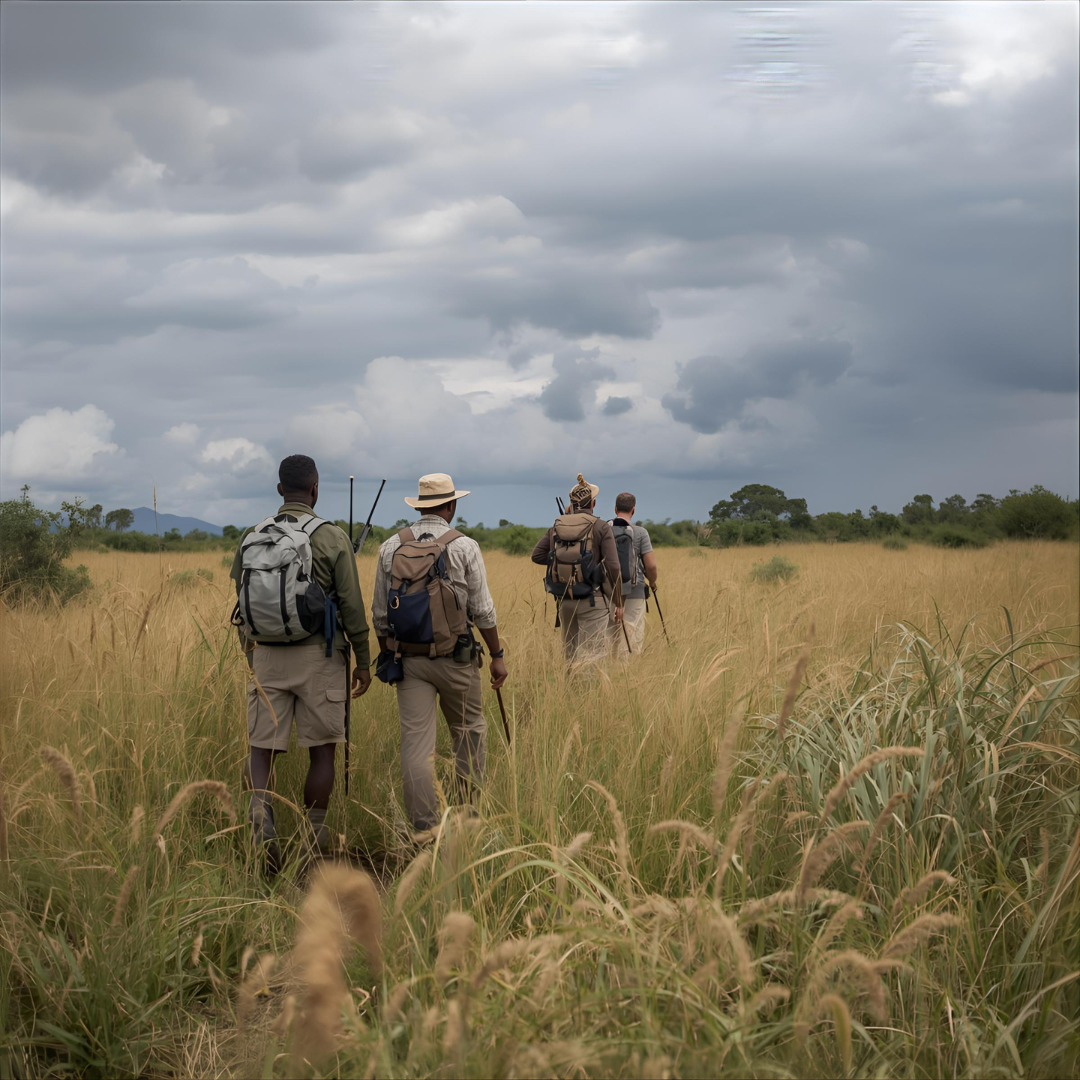
Life in the bush follows a predictable yet exhilarating flow. It starts with a gentle “knock-knock” on your tent door before sunrise, followed by a steaming cup of Kenyan coffee. Early morning game drives capture the world when predators are still active and the light is soft. By midday, as the heat settles, you retreat for a leisurely lunch and a siesta. The evening brings the “sundowner” tradition, where you watch the sky turn indigo with a drink in hand. Your guide is the bridge to this world. They aren’t just drivers; they are naturalists and storytellers who can read the flick of an ear or a distant alarm call. We believe a slower pace is essential. It’s in the quiet moments of waiting by a waterhole that the most profound wildlife encounters happen.
The Big Five and Beyond
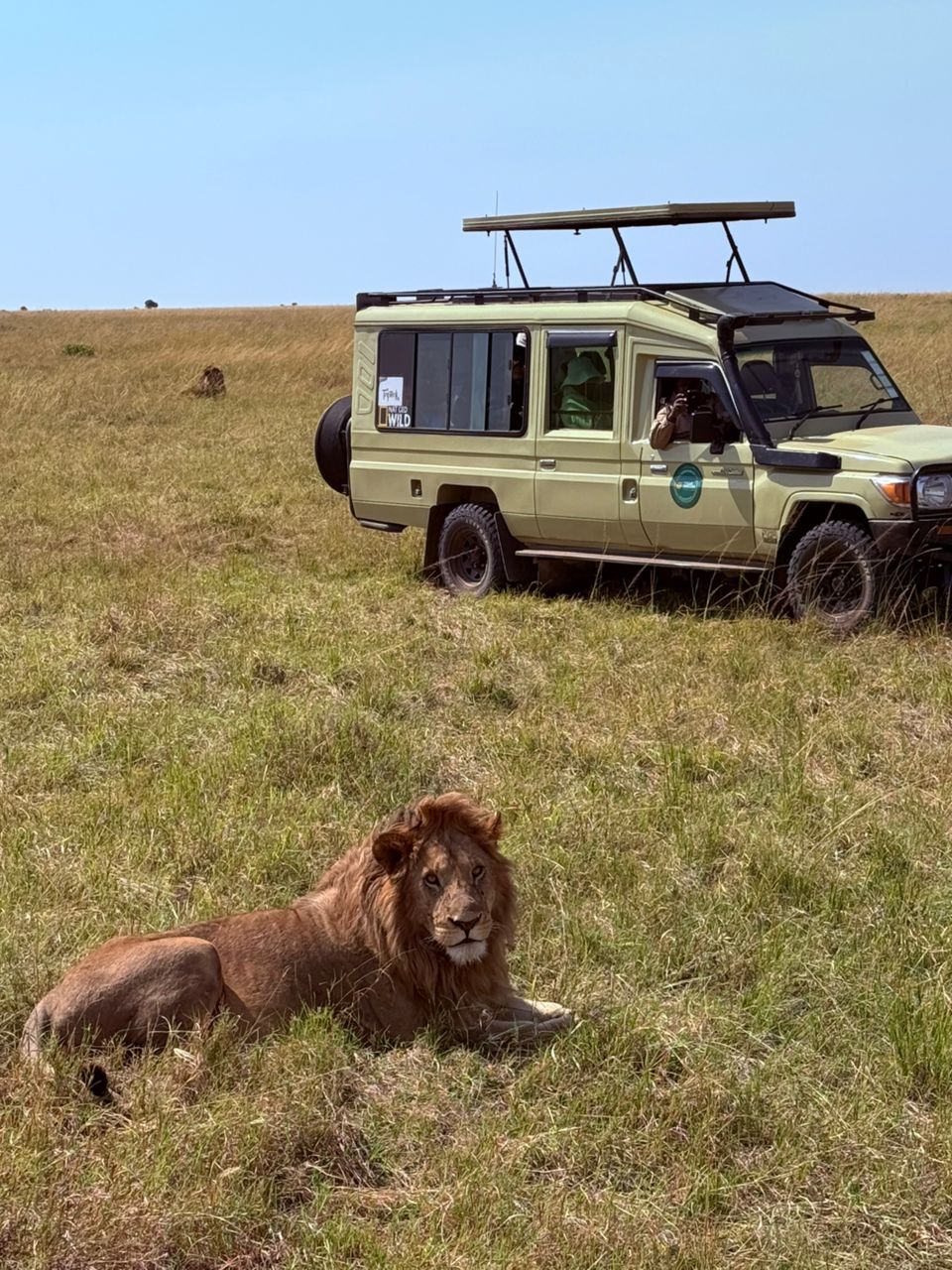
Most travelers arrive with a checklist centered on the Big Five: the lion, leopard, elephant, buffalo, and rhino. These iconic species are the pillars of the Maasai Mara National Reserve and other key parks within the classic circuit. However, a true Kenya classic safari invites you to look closer. You’ll find equal wonder in the “Little Five,” which includes the ant lion, leopard tortoise, elephant shrew, rhino beetle, and buffalo weaver. Kenya’s biodiversity is staggering, with over 1,000 bird species adding flashes of crimson and cobalt to the acacia trees. This depth of life ensures that every drive offers something new. By appreciating the intricate web of the entire ecosystem, your journey becomes a meaningful exploration of nature’s craftsmanship rather than just a hunt for photos.
Iconic Destinations: The Heart of the Classic Circuit
The heart of a Kenya classic safari beats strongest within the Great Rift Valley. This geological marvel creates a dramatic backdrop for the country’s most celebrated parks. While many itineraries treat these locations as simple checkboxes, we see them as distinct chapters in a living story. From the alkaline lakes of the valley floor to the high-altitude plains of the Mara, the diversity of terrain ensures that no two days feel the same. This circuit is a masterclass in biodiversity, offering a sequence of landscapes that transition from dusty volcanic plains to lush, water-fed oases.
Masai Mara: Africa’s Greatest Stage
No journey is complete without the Masai Mara. It’s a place of vast, rolling grasslands where the concentration of predators is among the highest on earth. Between July and October, the Great Migration transforms the reserve into a sea of movement as millions of wildebeest and zebra brave the crocodile-infested rivers. However, the Mara is about more than just the numbers. It’s about the deep cultural heritage of the Maasai people. Engaging with local communities should always be a matter of mutual respect and genuine connection. We recommend spending time with a Maasai guide who can explain the medicinal uses of plants or the ancient stories written in the stars. It’s these human layers that turn a standard trip into a soul-stirring experience.
Amboseli: In the Shadow of Kilimanjaro
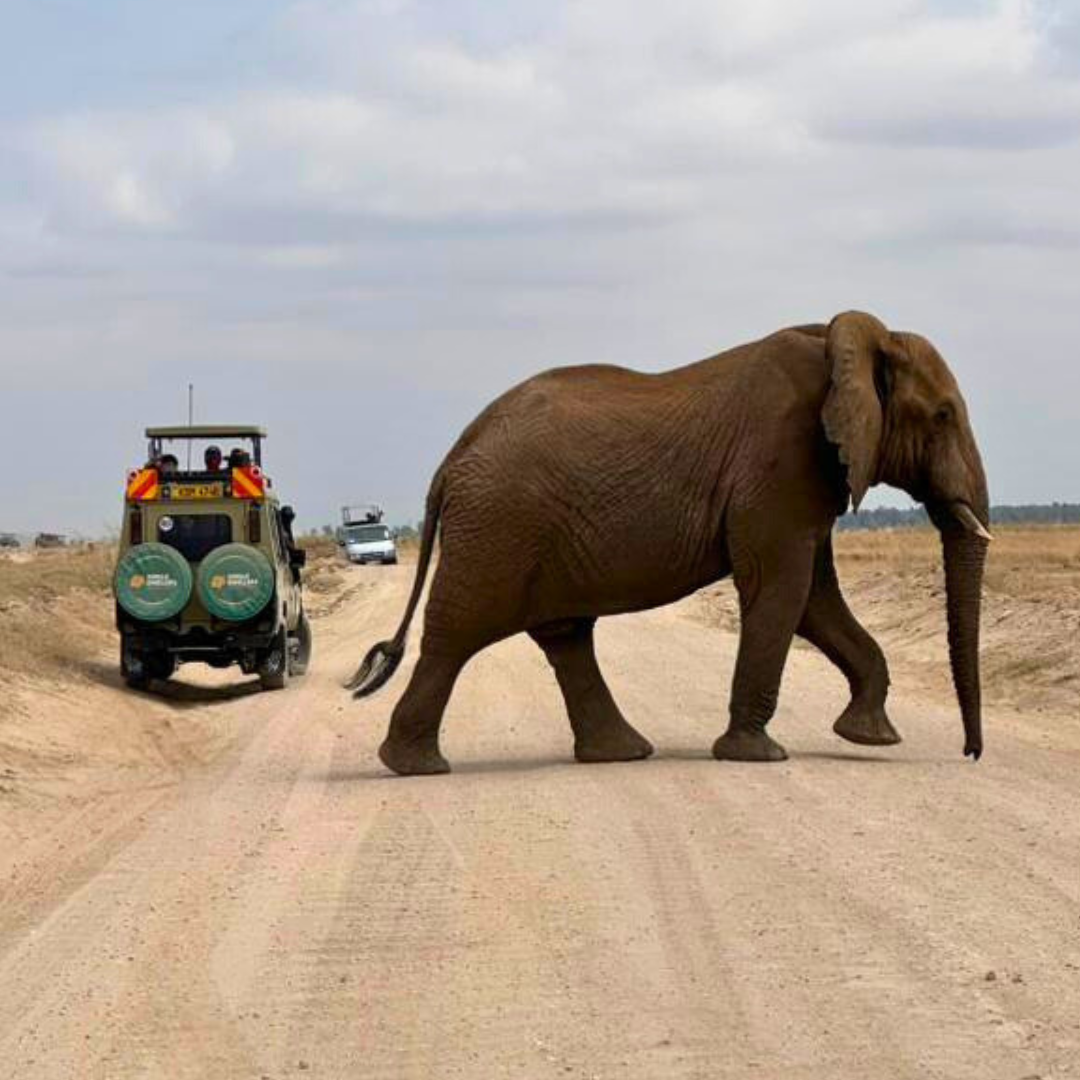
Amboseli National Park offers a visual contrast that is nothing short of cinematic. Here, the landscape is dominated by the snow-capped peak of Mount Kilimanjaro. It provides the iconic backdrop for viewing Africa’s famous free-ranging elephants. Unlike the Mara’s rolling hills, Amboseli is defined by its series of emerald-green swamps. These permanent water sources are fed by the mountain’s runoff, sustaining life even in the driest months. It’s a place where you can watch herds of several hundred elephants wade through chest-deep grass. The atmosphere is often quieter and more contemplative than the Mara, allowing for intimate observations of social behavior within the herds.
Further north, Lake Nakuru National Park serves as a critical sanctuary for both black and white rhinos. The lake itself is a kaleidoscope of avian life, often fringed by thousands of flamingos that paint the shoreline pink. While you plan your route, it’s always wise to stay informed by checking the U.S. State Department travel advisory for the latest regional updates. Balancing these diverse ecosystems requires a thoughtful hand. If you’re ready to move beyond generic routes, we can help you design a tailor-made Kenyan itinerary that captures the true essence of these iconic lands.
Choosing Your Sanctuary: Lodges vs. Tented Camps
Where you choose to rest your head at the end of a day on the savannah is just as vital as the game drives themselves. Modern safari accommodation has undergone a remarkable evolution. It has moved from the basic, rugged expeditions of the early 20th century to a collection of high-end sanctuaries that celebrate local craftsmanship and raw environmental beauty. On a Kenya classic safari, the choice typically falls between two distinct styles: the solid, expansive luxury lodge and the intimate, immersive tented camp. Both offer a different emotional texture to your journey, and many travelers find that a blend of both provides the most balanced perspective of the wild.
The Tented Camp Experience
For the safari purist, nothing compares to the intimacy of canvas. Tented camps are designed to minimize the barrier between you and the environment. While the walls are canvas, the interior is often a masterclass in safari chic, featuring hand-carved furniture, fine linens, and en-suite bathrooms with hot bucket showers or copper tubs. The magic happens at night. You’ll fall asleep to the rhythmic whoop of a distant hyena or the low, vibrating roar of a lion. This sense of being at one with the bush is an experience that solid walls simply cannot replicate. These camps are often smaller, catering to fewer guests and fostering a deep sense of community around the evening campfire.
Luxury Lodges for Families and First-Timers
If you are traveling with young children or if this is your first foray into the African bush, a luxury lodge often provides a reassuring sense of security. These permanent structures are usually built on elevated ridges, offering panoramic views of the plains below. They come equipped with expansive amenities that might include swimming pools, full-service spas, and dedicated children’s clubs. For those seeking the finest properties the country has to offer, our definitive guide to planning a luxury safari Kenya covers the latest Tier-1 lodge openings and how to secure exclusive access to private conservancies. While these facilities offer a familiar level of comfort, they remain deeply rooted in their surroundings through the use of local stone, thatch, and timber. When finalizing your choice of sanctuary, consulting the Canadian Government Travel Advice for Kenya is a practical step to ensure you stay informed on regional safety and travel requirements.
Sustainability is the thread that binds these accommodations together. Whether you choose a lodge or a camp, your stay often directly supports local stewardship. Many properties are built on community-owned conservancies, where bed-night fees go directly toward wildlife protection and local education. This commitment to the land ensures that your Kenya classic safari leaves a positive footprint, preserving these iconic ecosystems for the generations that follow.
Planning Essentials for Your 2026 Adventure
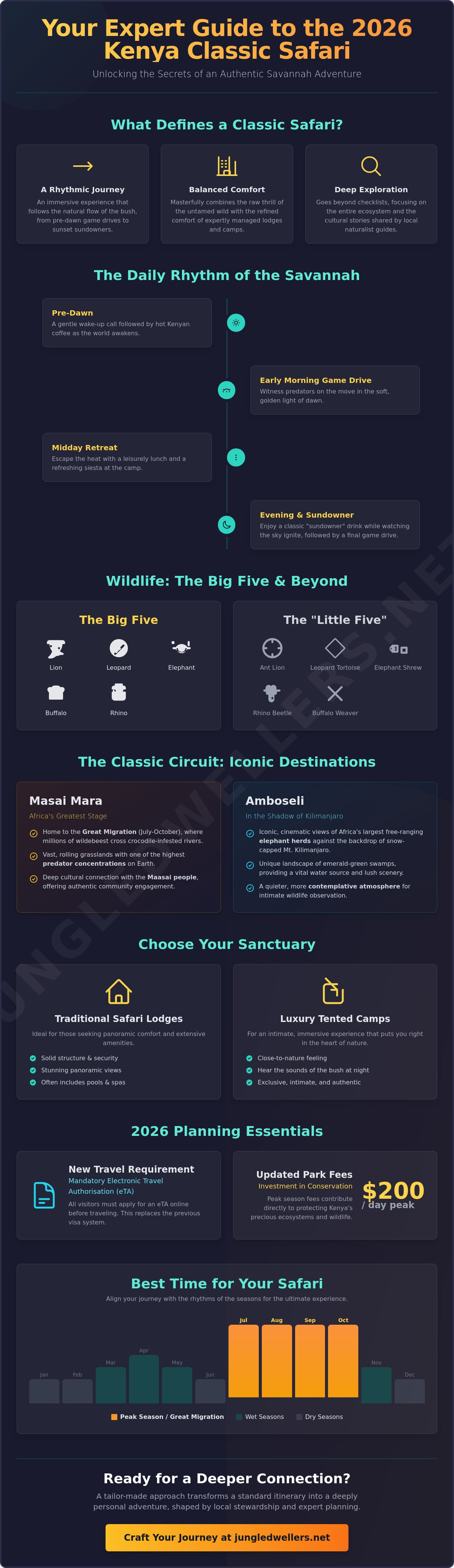
Success in the wild depends on being in the right place at the right time. A Kenya classic safari is a masterpiece of timing, and for 2026, the logistics are as important as the landscapes. The transition to the mandatory Electronic Travel Authorisation (eTA) means your preparation starts at home. You’ll need to apply through the official government portal at least two weeks before departure; the old days of visas on arrival are gone. This focus on organization extends to your budget. It’s vital to understand that park fees now constitute a significant portion of your costs. With peak season fees in the Masai Mara at $200 per day and premium parks like Amboseli at $90, an all-inclusive package provides the clearest path to a stress-free adventure.
Health and safety are the foundations of any successful journey. Consult your travel clinic at least six weeks prior for essential vaccinations like Yellow Fever and to discuss Malaria prophylaxis. Comprehensive travel insurance that includes emergency medical evacuation is non-negotiable for the remote regions of the savannah. These steps ensure that your focus remains on the horizon rather than on logistical worries.
2026 Seasonal Guide
The Dry Season, stretching from June to October, remains the gold standard for wildlife sightings. As water sources dwindle, animals congregate around predictable pools, making for dramatic and frequent encounters. If the Great Migration is your priority, aim for the July to October window when the herds are in the Masai Mara. Conversely, the “Green Season” from November to May offers a lush, vibrant backdrop and is a paradise for bird enthusiasts. The shoulder months of January and February are local secrets. They offer clear skies and high wildlife concentrations without the peak season crowds, providing exceptional value for those who prefer a quieter experience.
Packing for the Savannah
Neutral tones are more than a fashion choice; they are a practical necessity for the bush. Khaki, olive, and tan help you blend into the environment and avoid attracting unwanted insects. Layers are your best friend because temperatures swing wildly from the pre-dawn chill to the midday heat. Don’t forget high-quality binoculars, high-SPF sunscreen, and a wide-brimmed hat to protect you from the intense equatorial sun. A mirrorless camera body paired with a versatile 100-400mm telephoto lens remains the gold standard for capturing the raw intensity of a 2026 wildlife encounter. To ensure your logistics are as seamless as your sightings, you can book a Kenya classic safari with our expert team today.
Crafting Your Journey with Jungledwellers.com
The difference between a holiday and a life-changing expedition often lies in the hands of those who plan it. Choosing a Kenya classic safari through a locally owned and operated Inbound DMC ensures your journey is rooted in authentic insight rather than a corporate template. We don’t just book rooms; we curate experiences that honor the rhythm of the land. This approach moves you away from the rigid constraints of a standard itinerary and into the realm of tailor-made safaris. By shaping every detail to your specific interests, we ensure that your time in the wild feels deeply personal and meticulously organized.
The Power of Local Expertise
Our guides are the heartbeat of our operation. They aren’t just trained professionals; they are sons of the soil who’ve spent their lives observing the subtle shifts of the savannah. This deep-rooted knowledge allows them to navigate away from the crowded tourist clusters, leading you to hidden corners of the parks where the wildlife remains undisturbed. Whether it’s a secluded leopard sighting or a quiet sunrise over the Ewaso Ng’iro river, these moments are made possible by a team that lives and breathes the Kenyan bush every day. Reliability isn’t just a promise; it’s the result of our physical presence on the ground, ready to support you at every turn.
Your Next Steps to the Wild
Beginning your 2026 adventure is a collaborative process. It starts with a conversation where we listen to your dreams, whether you’re chasing the Great Migration or seeking the elusive black rhino. Once we’ve refined your interests, we work to secure your preferred lodges and camps, ensuring your sanctuary is exactly as you imagined. Given the popularity of the 2026 season and the specific windows for peak wildlife viewing, we recommend starting this process early. Our commitment to ethical tourism means that your stay directly benefits the communities and ecosystems you’ve come to admire, creating a legacy of stewardship that extends far beyond your departure. Start planning your Kenya Classic Safari today and step into a world where the wild feels like home.
Step Into the Rhythms of the Wild
Kenya is more than a destination; it’s a feeling that resonates in the silence of the dawn and the golden dust of the plains. You now have the roadmap to navigate the 2026 season, from understanding the nuances of the Electronic Travel Authorisation to choosing between the immersive intimacy of a tented camp and the panoramic comfort of a luxury lodge. Whether you’re witnessing the Great Migration in the Mara or watching elephants in the shadow of Kilimanjaro, a Kenya classic safari is about finding your own rhythm within the wild. This journey is a masterclass in biodiversity and human connection that stays with you long after the dust has settled.
As a locally owned and operated inbound expert, Jungledwellers.com understands that every journey should be as unique as the traveler. We specialize in tailor-made and wilderness safaris that prioritize authentic connection and local stewardship. Our team acts as your bridge to the untamed, ensuring every detail is shaped by expert hands and a deep respect for the land. You can secure your 2026 Kenya Classic Safari with Jungledwellers.com today and begin the journey of a lifetime. The savannah is waiting to share its secrets with you.
Frequently Asked Questions
Is a Kenya classic safari safe for solo travellers or families?
Yes, Kenya is a remarkably safe destination for both solo adventurers and families. Lodges and camps employ local Maasai askaris to escort you to your room after dark, ensuring a secure environment. Solo travellers often find that their guides become trusted mentors during the journey. Families benefit from many camps that offer fenced perimeters and specialized activities designed to keep younger explorers engaged and safe.
When is the best time to see the Great Migration in 2026?
The best window to witness this spectacle is between July and October. During these months, the herds settle into the Masai Mara to graze on the lush grasslands. If you want to see the dramatic river crossings, aim for August or September. While nature follows its own clock, these months consistently offer the highest concentration of wildebeest and zebra within the reserve’s boundaries.
Do I need a visa to visit Kenya from the USA?
No, you don’t need a traditional visa. As of January 2024, Kenya replaced visas with a mandatory Electronic Travel Authorisation (eTA). You must apply for this through the official government website before you start your journey. It’s vital to complete this process at least two weeks before departure. Every traveller, including infants and children, requires their own approved eTA to enter the country.
What is the difference between a private safari and a group tour?
A private safari offers a dedicated vehicle and guide exclusively for your party. This allows for total flexibility in your daily schedule and a more intimate connection with the landscape. Group tours involve sharing a vehicle with other travellers and following a fixed itinerary. We find that the private option is the best way to ensure your journey is tailored to your specific interests and pace.
How many days should I allocate for a classic Kenya itinerary?
We recommend a duration of 7 to 10 days for a Kenya classic safari. This timeframe allows you to visit three distinct ecosystems, such as the Masai Mara, Amboseli, and a Great Rift Valley lake, without feeling rushed. Spending at least two or three nights in each location ensures you can settle into the rhythm of the bush. A slower pace leads to more profound wildlife encounters.
What kind of vehicles are used for game drives?
You’ll typically travel in custom-built 4×4 Land Cruisers designed for the rugged Kenyan terrain. These vehicles feature pop-up roofs that provide 360-degree views for photography and wildlife spotting. They’re equipped with heavy-duty suspension to ensure a comfortable ride across the savannah. Most vehicles also include charging points for your cameras and a cool box stocked with refreshments to keep you hydrated during long drives.
Can I combine a safari with a beach holiday in Kenya?
Yes, combining the bush with the beach is a seamless and popular option. After your Kenya classic safari, you can take a short domestic flight from the Masai Mara directly to the white sands of Diani Beach or Watamu. This allows you to transition from the dusty excitement of game drives to the tranquil turquoise waters of the Indian Ocean. It’s the perfect way to reflect on your adventures.
What are the ‘Big Five’ and will I see them all?
The Big Five includes the lion, leopard, elephant, buffalo, and rhino. While these iconic animals are found across Kenya’s major reserves, sightings are never guaranteed in the wild. However, visiting a combination of the Masai Mara and a dedicated sanctuary like Lake Nakuru significantly increases your chances. Your guide’s local expertise is your greatest asset in tracking these magnificent creatures in their natural habitats.